Wayne Barnes, one of rugby’s most respected referees, has announced his retirement from officiating following the 2023 Rugby World Cup.
Join the RUCK’s WhatsApp community here and get the latest news sent straight to your messages.
After nearly three decades in the sport, which began in his teenage years, Barnes has decided to step away from the game to focus on his family.
Balancing Law and Rugby
Barnes has impressively balanced his rugby commitments with a flourishing legal career. He is a partner at Squire Patton Boggs, specialising in Government Investigations & White Collar Practice in London. As a seasoned criminal barrister and trial advocate with over twenty years of experience, Barnes has adeptly managed to combine his legal and sporting expertise.
A Legal Expert in Multiple Arenas
Drawing from his rich rugby background, Barnes offers his legal expertise to a diverse range of clients. His work spans national governing bodies to commercial entities, advising on sports law, ethics, and governance. His legal acumen isn’t confined to sports; it extends to industries like publishing, logistics, and energy.
High-Stakes Representation
Barnes is well-versed in high-pressure legal scenarios, having represented clients before the UK Serious Fraud Office and the US Department of Justice. He frequently provides critical guidance to companies and individuals on navigating regulatory challenges and avoiding legal pitfalls.
Rugby Insights in the Media
In addition to his legal and officiating careers, Barnes contributes to The Telegraph, sharing his insights on major rugby issues. His extensive experience and deep understanding of the sport make him a valuable voice in rugby commentary.
Wayne Barnes Reveals His Top Rugby Stadiums with a Unsurprising First Choice
Popular rugby referee Wayne Barnes has picked out the three stadiums he has refereed in that produced the best atmosphere, and surprisingly left out his beloved Twickenham Stoop.
#3. PRINCIPALITY STADIUM
Located in Cardiff, Wales, the Principality Stadium, originally known as the Millennium Stadium, is one of the most iconic sports venues in the world. Opened in June 1999, it boasts a seating capacity of 74,500 and is renowned for its fully retractable roof, a pioneering feature at the time of its construction.
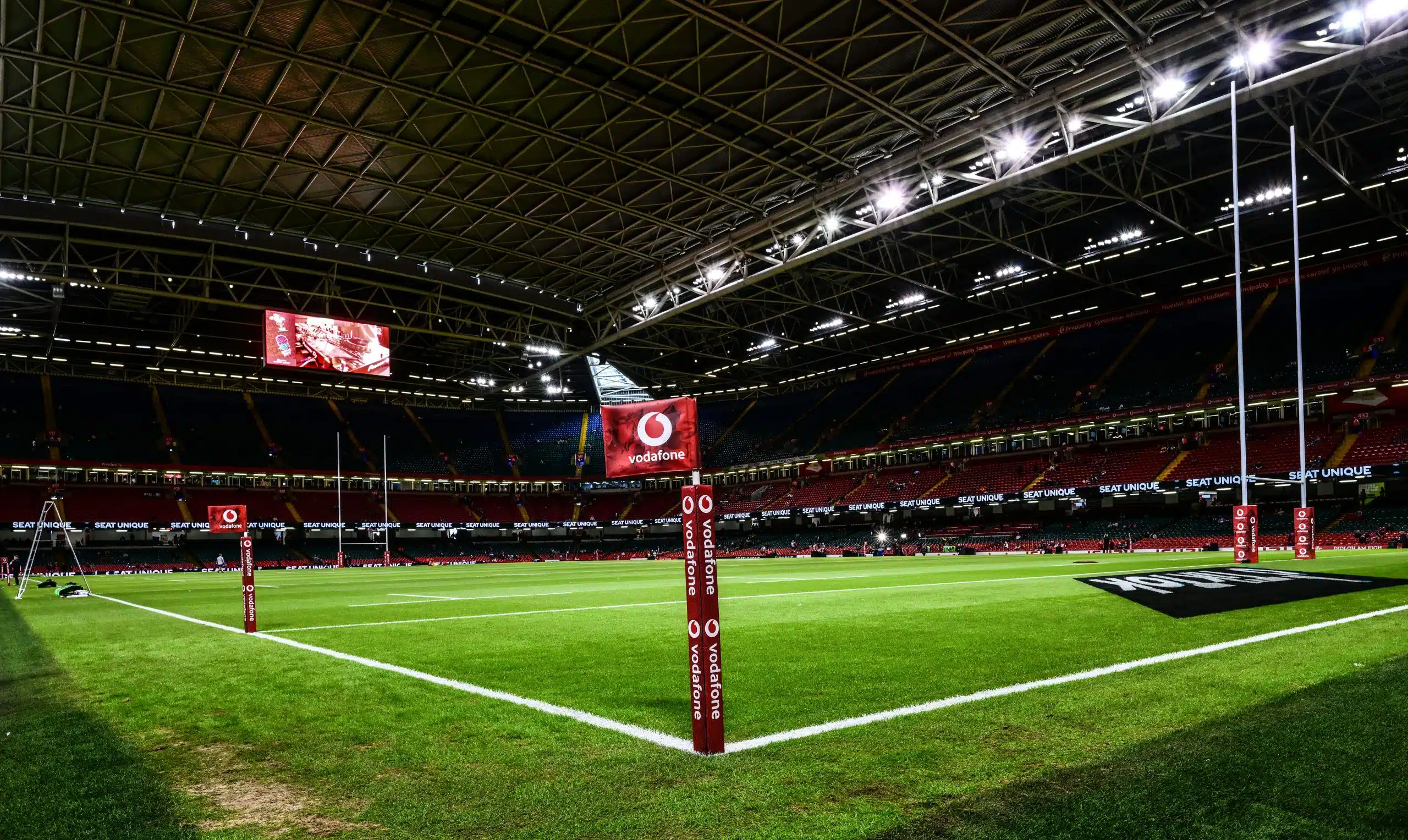
The stadium is the home of Welsh rugby and has hosted numerous prestigious events, including the Rugby World Cup, the FA Cup Final, and various concerts featuring globally acclaimed artists. Its central location in Cardiff’s city center makes it easily accessible and a focal point for sports and entertainment in Wales. T
he venue was renamed the Principality Stadium in 2016 following a sponsorship deal with the Principality Building Society.
Barnes said: “With the roof closed, there is no better atmosphere.”
#2. SUNCORP STADIUM
Suncorp Stadium, also known as Lang Park, is a premier sports and entertainment venue located in Brisbane, Queensland, Australia. Originally opened in 1914 and redeveloped in 2003, it has a seating capacity of 52,500. The stadium is primarily known for hosting rugby league, rugby union, and soccer matches, and it is the home ground for the Brisbane Broncos (NRL), Queensland Reds (Super Rugby), and Brisbane Roar (A-League).
With its modern design, excellent facilities, and vibrant atmosphere, Suncorp Stadium is widely regarded as one of the best rugby league venues in the world. It has also been a venue for major concerts and cultural events, contributing significantly to Brisbane’s sporting and entertainment landscape.
Barnes said: “Brisbane’s Suncorp Stadium – A stadium which is built up so it feels as if the spectators are on top of the pitch, I’ve refereed two cracking Bledisloe Cup matches there too.”
#1. Twickenham
Twickenham Stadium, often referred to simply as Twickenham, is the largest dedicated rugby union stadium in the world, located in Twickenham, southwest London, England. Opened in 1909, it has undergone several expansions and renovations, currently boasting a seating capacity of 82,000.
As the home of English rugby, Twickenham is steeped in history and tradition, regularly hosting the England national rugby team’s home matches, including the Six Nations Championship and autumn internationals.
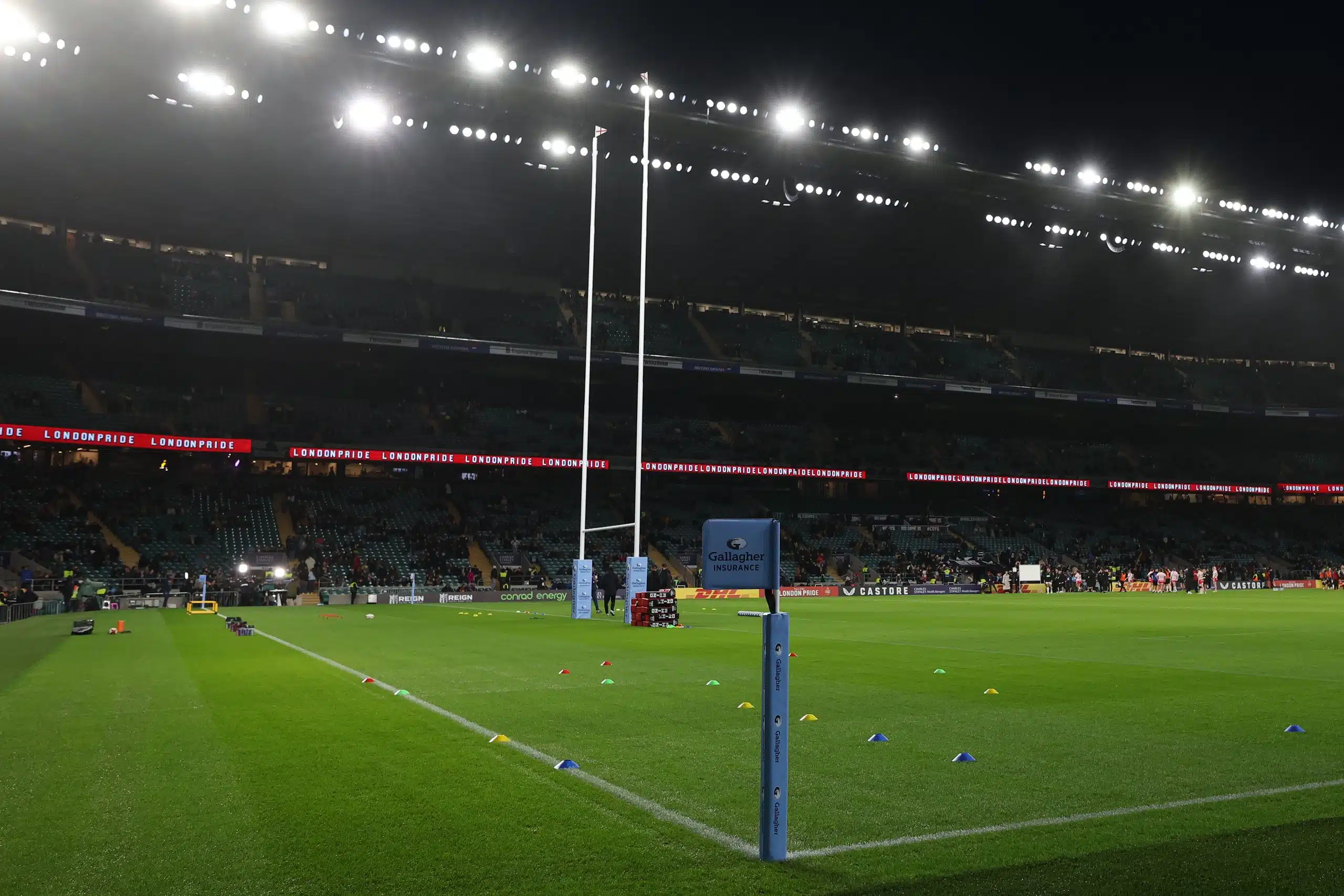
It has also been the site of numerous Rugby World Cup matches, including finals. Beyond rugby, Twickenham hosts concerts and other events, leveraging its status as an iconic sports venue to attract a wide range of visitors and fans.
Barnes said: “A short stroll from home. In the 2015 RWC semi-final, I walked to the stadium from my house with the other match officials. As I crossed the 316 bridge from the Stoop with my bag over my shoulder, I looked across to the West Car Park and thought this is pretty special.”
Quiz: Name these 10 retro rugby players #2
If you’re over 30 and can’t name these iconic rugby stars from the 2000s, we have to ask: were you really paying attention? Back by popular demand, it’s time for part two of our nostalgic quiz.
From stunning tries to unforgettable moments—and yes, some hairstyles we’d rather forget—these players were at the heart of rugby’s golden era. If the names don’t come flooding back, it might be time to fire up YouTube and relive the magic.
Think you’ve got what it takes to ace this one? Let’s find out. Good luck!
