Fly-halves are often the brains behind a rugby team’s strategy, controlling the tempo of the game with their decision-making, kicking, and vision.
Some of rugby’s most iconic players have occupied this pivotal position, with their playmaking ability and leadership shaping their teams’ success. Here’s a look at the top 10 fly-halves of all time.
Join the RUCK’s WhatsApp community here and get the latest news sent straight to your messages.
10 Greatest Fly-Halves in Rugby History [Ranked]
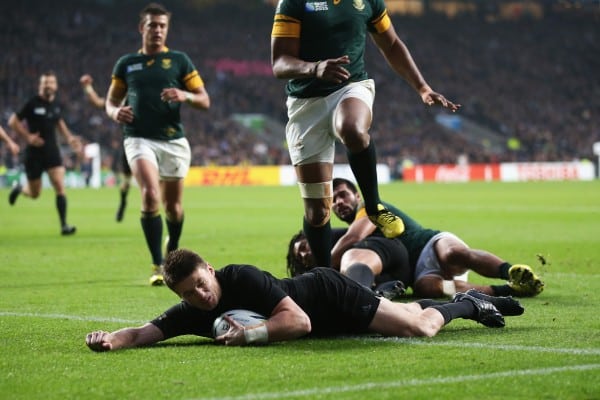
10. Beauden Barrett (New Zealand)
One of the most dynamic and versatile players in modern rugby, Barrett’s speed, agility, and playmaking ability make him a standout. With two World Player of the Year awards to his name, Barrett’s ability to break defenses and his electric running game have made him a constant threat at both fly-half and fullback for the All Blacks.
9. Jonathan Davies (Wales)
A Welsh icon, Jonathan Davies was known for his exceptional playmaking skills, vision, and tactical kicking. He was a pivotal player during the 1980s and early ’90s, representing both Wales and the British & Irish Lions. His ability to control a game with flair and intelligence made him one of the finest fly-halves of his generation.
8. Grant Fox (New Zealand)
Fox was instrumental in New Zealand’s 1987 World Cup win, known for his kicking precision and calm under pressure. He set the standard for tactical fly-half play.
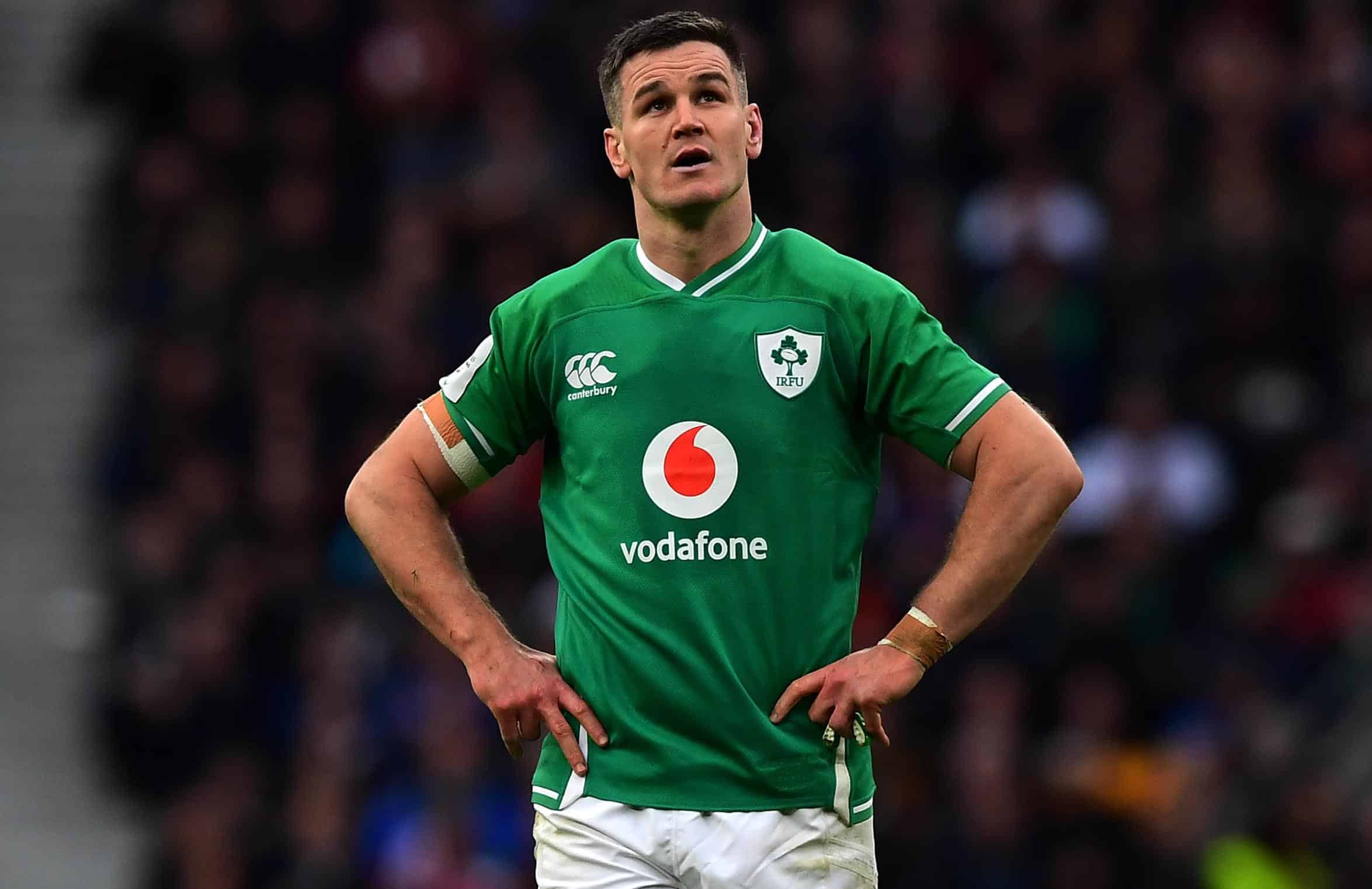
7. Jonathan Sexton (Ireland)
Sexton has been one of the top playmakers in modern rugby, guiding Ireland to multiple Six Nations titles and playing a pivotal role in the 2018 Grand Slam victory. His tactical acumen and kicking accuracy have made him indispensable for Ireland.
6. Owen Farrell (England)

Known for his leadership and incredible consistency, Owen Farrell has been a vital figure for England and Saracens over the last decade. His accurate kicking and game management, combined with a tenacious defensive edge, have made him one of the most influential players of his era.
Farrell’s ability to handle pressure and his strong leadership have helped England to numerous Six Nations titles and a World Cup final appearance in 2019.
5. Handré Pollard (South Africa)
Pollard’s calm under pressure and precision with the boot make him one of the best fly-halves of the modern era. His crucial contributions to South Africa’s 2019 World Cup triumph, including his exceptional game management and match-winning kicks, have solidified his place among the greats.

4. Michael Lynagh (Australia)
Lynagh was the architect behind Australia’s World Cup-winning side in 1991. Known for his pinpoint kicking and strategic brilliance, he led the Wallabies through a dominant era in international rugby.
3. Barry John (Wales)
The Welsh maestro, known as “The King,” was a player of exceptional flair and instinctive play in the 1970s. His performances, especially on the 1971 British & Irish Lions tour to New Zealand, solidified his legendary status.
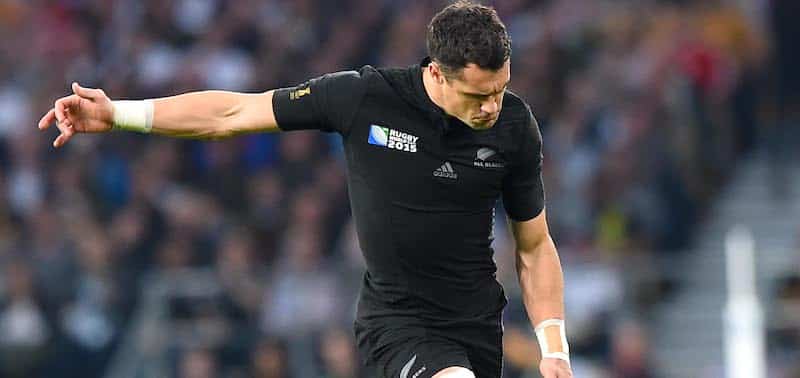
2. Dan Carter (New Zealand)
Arguably the best fly-half of the modern era, Carter’s all-around game—flawless kicking, playmaking ability, and tactical awareness—helped the All Blacks dominate world rugby for over a decade. Carter played a key role in New Zealand’s 2011 and 2015 World Cup victories.
1. Jonny Wilkinson (England)
A fly-half whose career will forever be associated with his match-winning drop goal in the 2003 World Cup final. Wilkinson’s kicking ability, work ethic, and clutch performances made him one of the most celebrated players in rugby history. His ability to perform under pressure and commitment to excellence have earned him the top spot on this list.

Sir Ian McGeechan has selected his all-time dream team
Sir Ian McGeechan has selected his greatest XV rugby union team of all time, but there is no room in his selection for Paul O’Connell, David Campese, Lawrence Dallaglio or Jonny Wilkinson.
The 77-year-old has picked six New Zealanders in his selection along with three Englishmen, two Welshman and one player each from France,Scotland and Ireland.
BACK-THREE
Fullback: JPR Williams (Wales) – “Not a staggeringly original choice, I’ll admit. But to my mind the only one. If I’m going to be picking a dream XV over the next few days then I want JPR at the back. No question.”
Left-wing: Jonah Lomu (New Zealand) – “Illness and injury ultimately slowed him down. But his performances at the 1995 World Cup, just as the game was turning professional, will never be forgotten. The game needed a superstar, and it got one in Lomu. He was brilliant for rugby.”
Right-wing: John Kirwan (New Zealand) – “He had an all round game; he could carry the ball through heavy traffic, he could offload, he was like an extra back-rower at times. Plus, he had natural effortless pace. He ended up scoring 35 tries for the All Blacks and was instrumental as they went through their unbeaten spell of games between 1987 and 1990.”
CENTRES
Outside-centre: Brian O’Driscoll (Ireland) – “His ability to get back on his feet after tackling to compete for the ball was extraordinary, and ensured he always had an impact on the game, whatever type of game it was. He was such a natural talent.”
Inside-centre: Philippe Sella (France) – “Sella and O’Driscoll were powerful men. They could stop a forward in his tracks. I think as a pair they would dominate any midfield and I like the thought of them together.”
